
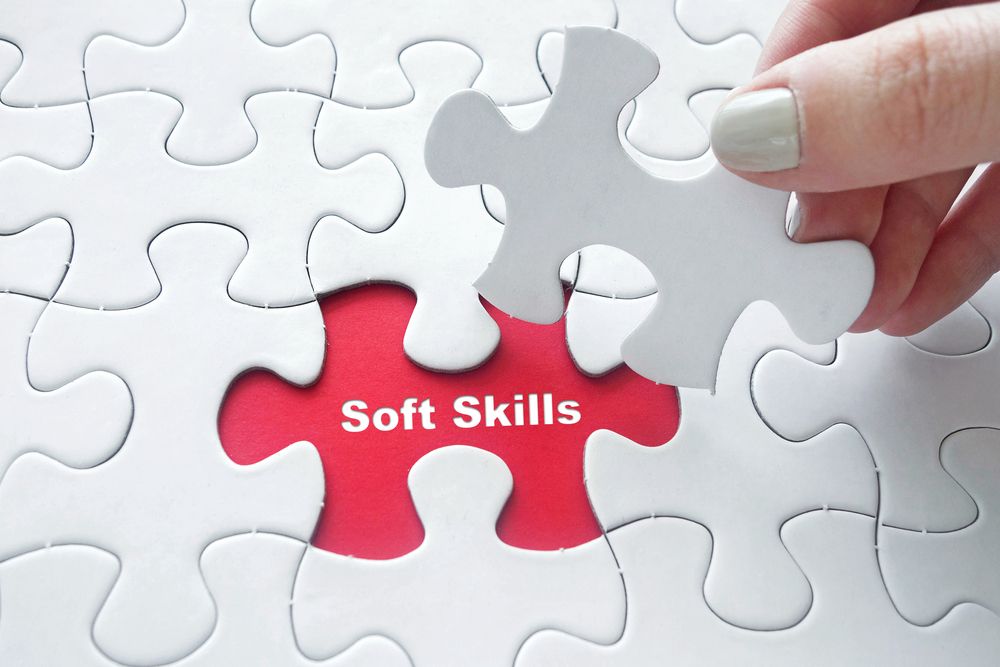
Mit Soft Skills punkten
Ausbildungsbetriebe erwarten einiges von ihren künftigen Auszubildenden. An erster Stelle steht solides Schulwissen. Nicht ganz so gute Noten müssen aber nicht gleich das Aus im Wettbewerb um eine Ausbildungsstelle bedeuten: In der Berufswelt sind zunehmend sogenannte Soft Skills gefragt, die so in keinem Zeugnis stehen.
Soft Skills sind persönliche Stärken wie Zuverlässigkeit, Verantwortungsbewusstsein oder Selbstständigkeit. Doch auch Fähigkeiten, die im Zusammenhang mit der Ausbildung und der künftigen Arbeit stehen – so z.B. Teamfähigkeit, Kreativität, Konzentration und logisches Denken – interessieren den zukünftigen Arbeitgeber.
Kommunikationsfähigkeit ist das A und O
Laut der IHK-Online-Unternehmensbefragung “Ausbildung 2008” werden am häufigsten mündliches und schriftliches Ausdrucksvermögen, also Kommunikationsfähigkeit, bemängelt. Viele junge Leute haben große Schwierigkeiten, eine Selbstdarstellung abzugeben, oder Dinge von sich aus zu sagen, wenn sie nicht direkt angesprochen werden und eine konkrete Frage gestellt bekommen. Dabei wird gerade dadurch das Engagement deutlich.
Durch Teamfähigkeit überzeugen
Alexandra, Auszubildende als Mechatronikerin im 1. Lehrjahr, hatte damit bei ihrem Vorstellungsgespräch keine Probleme: “Wir mussten im Assessment-Center eine Selbstdarstellung abgeben. Ich habe gesagt, dass ich immer schon handwerklich begabt war und mich für Autos interessiere. In der Selbstdarstellung konnte ich meine Kommunikationsfähigkeit beweisen und durch Teamfähigkeit überzeugen.”
Soft Skills hat man nicht einfach – man kann sie lernen
Alexandra ist sich über die Bedeutung von Soft Skills im Klaren:
“Belastbarkeit oder Sorgfalt sind sehr wichtig, allein schon um Arbeitssicherheit zu gewährleisten.” Deshalb möchte sie auch weitere persönliche Fähigkeiten erlernen: “Ich würde gerne den Umgang mit anderen Auszubildenden verbessern, z.B. wenn Meinungsverschiedenheiten auftreten oder Konflikte entstehen. Ich denke, das kommt früher oder später durch die Erfahrung. Wir machen aber auch Teamtrainings zu solchen Sachen, in denen z.B. Konfliktfähigkeit geschult wird.”